Natural Ingredients & Daily Vitality
Educational insights into herbal and mineral complexes for active individuals
Understanding Natural Complexes
What are Natural Complexes?
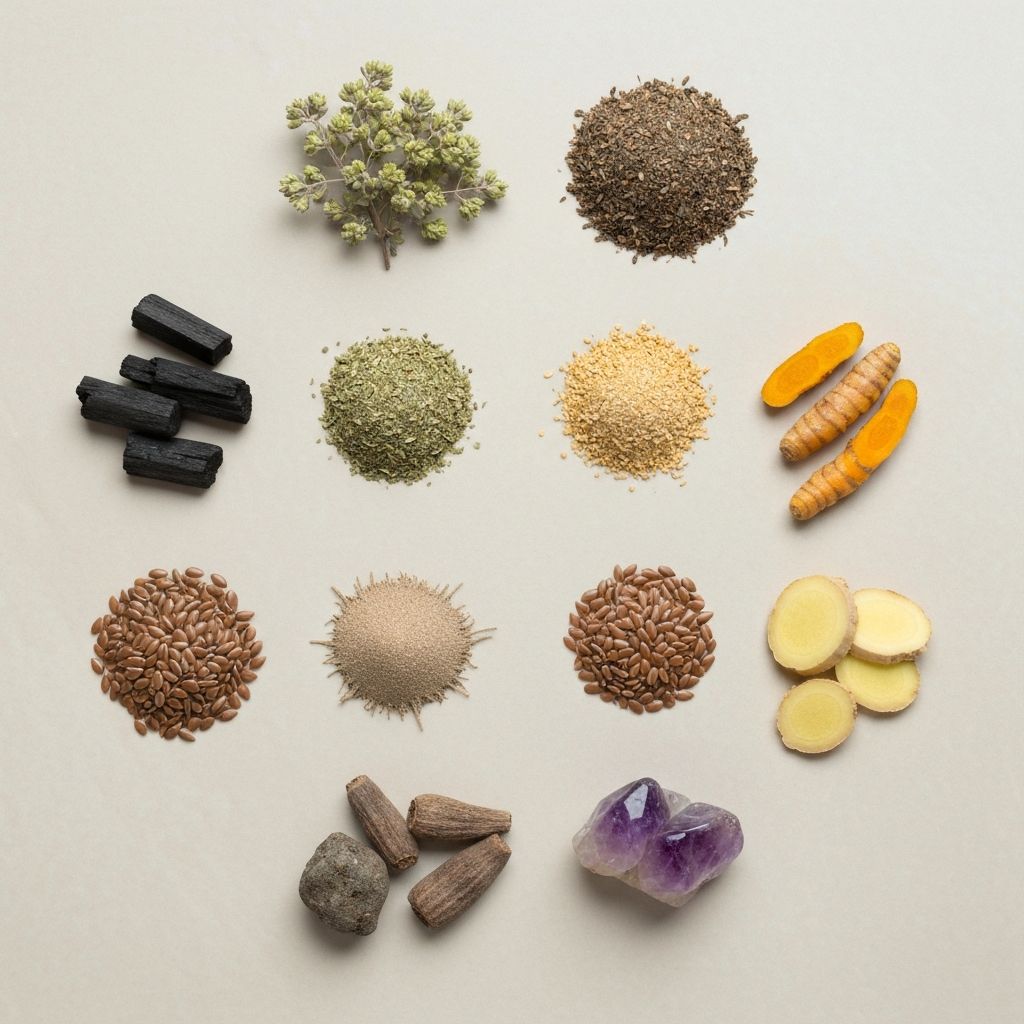
Natural complexes are formulations containing plant-derived compounds and minerals that have been studied for their role in supporting everyday wellness. These combinations bring together botanical extracts and mineral components that exist in nature and have been used for centuries across European traditions.
The study of natural ingredients focuses on understanding how phytochemicals and minerals function within the body during regular activities and active lifestyles. This educational resource explores the science behind these components without making promises about specific health outcomes.
Explore Further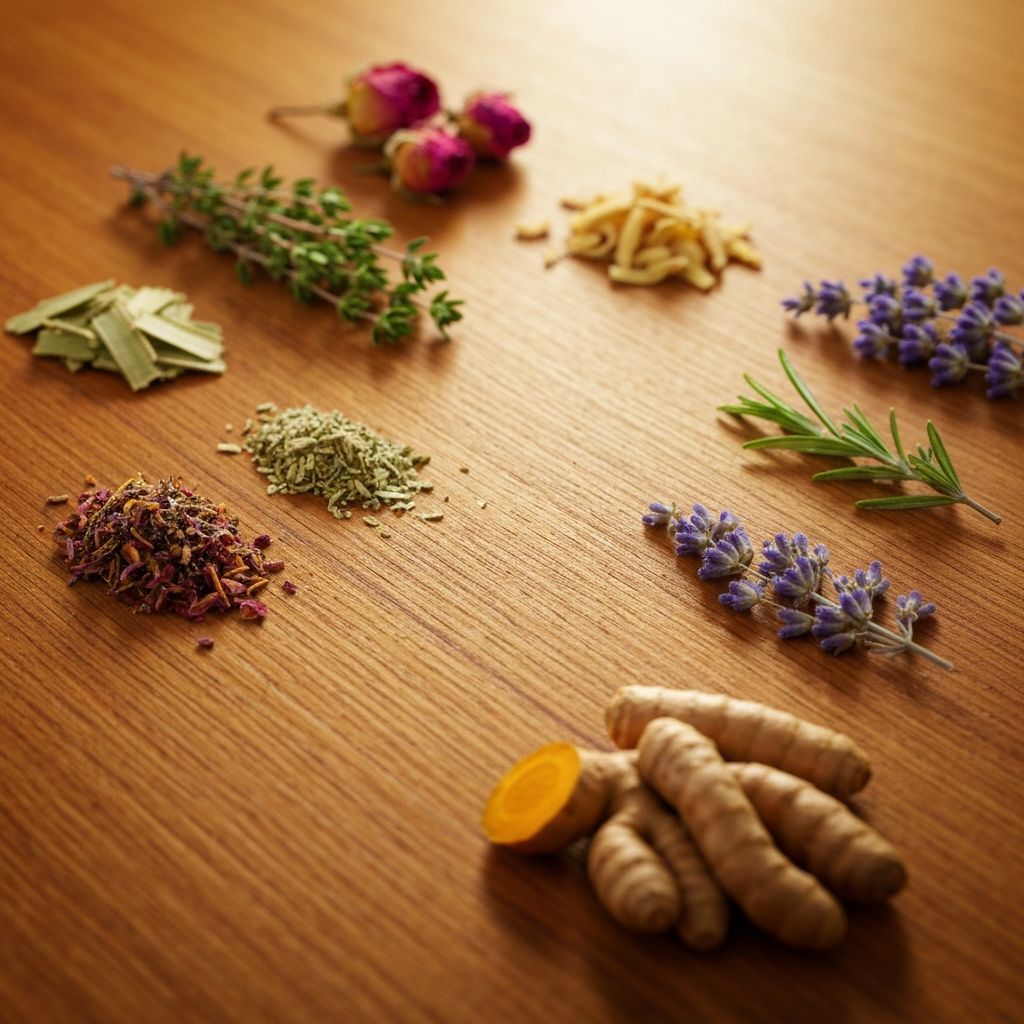
Role of Plant Extracts & Minerals in Daily Nutrition
Botanical Components
Plant extracts contain diverse compounds that scientists continue to investigate. These include polyphenols, terpenoids, and various phytochemicals that research suggests may support metabolic function, antioxidant activity, and general wellness during active pursuits.
Mineral Elements
Minerals such as zinc, magnesium, and selenium are recognized by nutritionists as essential for energy production and physical activity support. They play roles in enzyme function, immune response, and overall bodily balance when integrated into regular nutrition.
Understanding how these nutrients support active lifestyles forms the basis of nutritional science and wellness education.
Learn More About Components
Integration into Daily Life
For individuals maintaining active routines, understanding nutritional support becomes important. Regular physical activity increases the body's demand for micronutrients and recovery support. Plant-based formulas and mineral combinations have historically been incorporated into traditional wellness practices across Europe.
This educational perspective helps active people appreciate the nutritional foundations of their daily vitality without prescriptive claims.
View ReferencesHerbal Traditions in Austrian Culture
Historical European Context
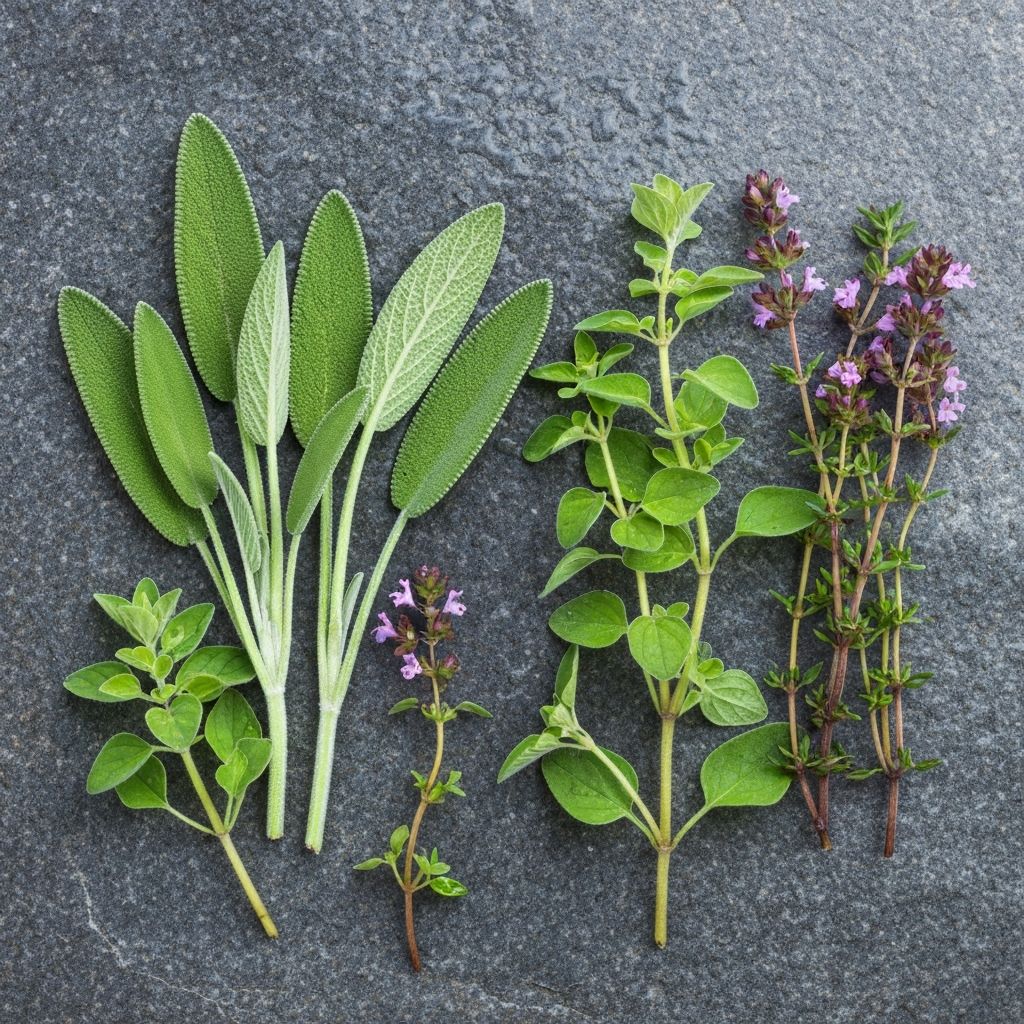
Austria has rich traditions of botanical knowledge spanning centuries. Alpine regions have historically produced exceptional medicinal plants, and Austrian herbalism represents one of Europe's most developed systems of plant knowledge.
Monastic communities and folk traditions preserved understanding of herbs like St. John's Wort, Ginkgo, and various Alpine flowers. This cultural heritage demonstrates the long-standing European interest in natural plant science.
Modern Research Perspective
Contemporary scientific research continues to examine these traditional uses through rigorous methodology. Austrian and European institutions investigate botanical compounds to understand their properties and potential applications in supporting wellness and active lifestyles.
Discover Background
Activity Levels and Nutritional Needs
Physical Activity and Nutrient Demand
Active individuals have different nutritional profiles compared to sedentary populations. Regular physical activity increases energy expenditure, which creates greater demand for vitamins, minerals, and antioxidant support.
Recovery and Endurance Support
Studies demonstrate that proper nutrition directly influences exercise performance, recovery speed, and sustained energy levels. Natural complexes containing adaptogenic herbs and mineral cofactors have been researched as potential support systems for athletic performance and joint mobility.
Sustainable Wellness
Maintaining long-term health during active pursuits requires understanding the nutritional foundations of physical performance. This educational perspective helps individuals make informed choices about their daily wellness routines.
Continue Reading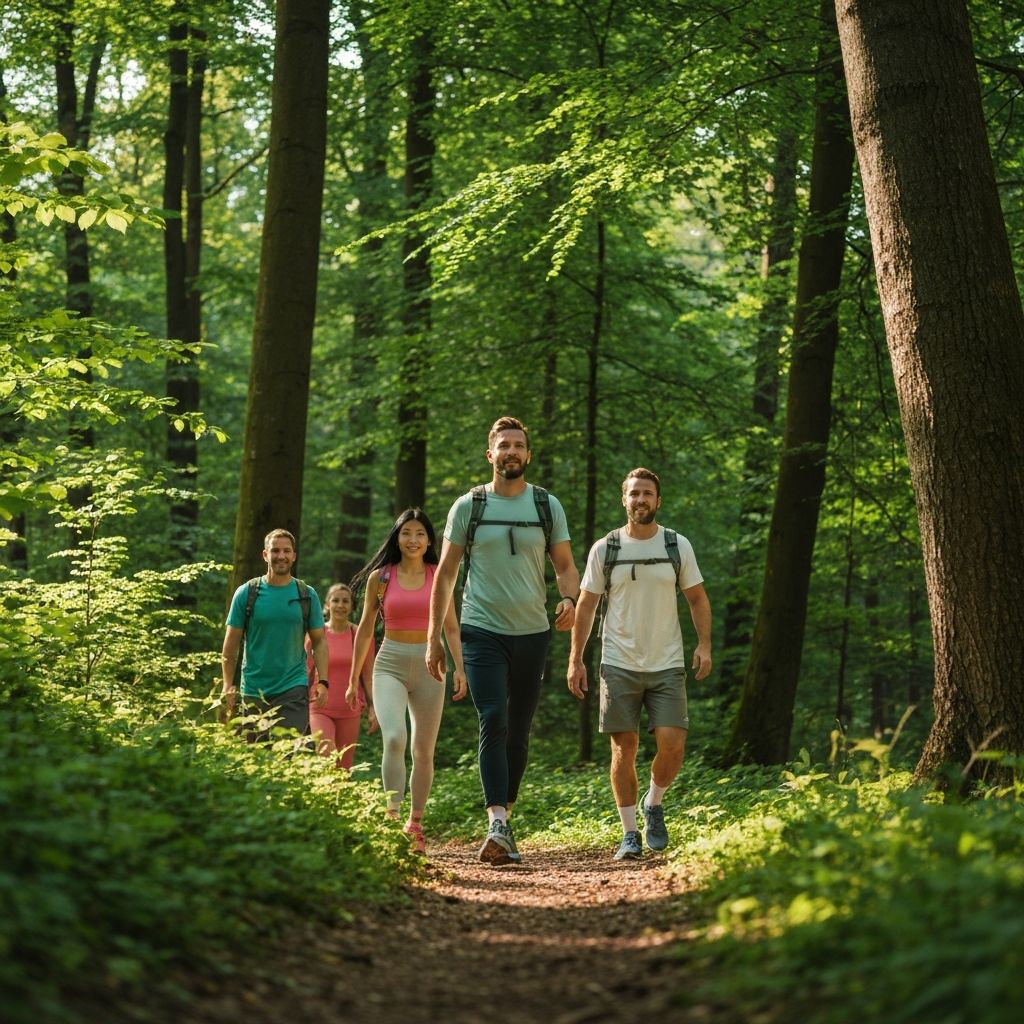
Scientific Evidence & Research Perspectives
Research Methodology
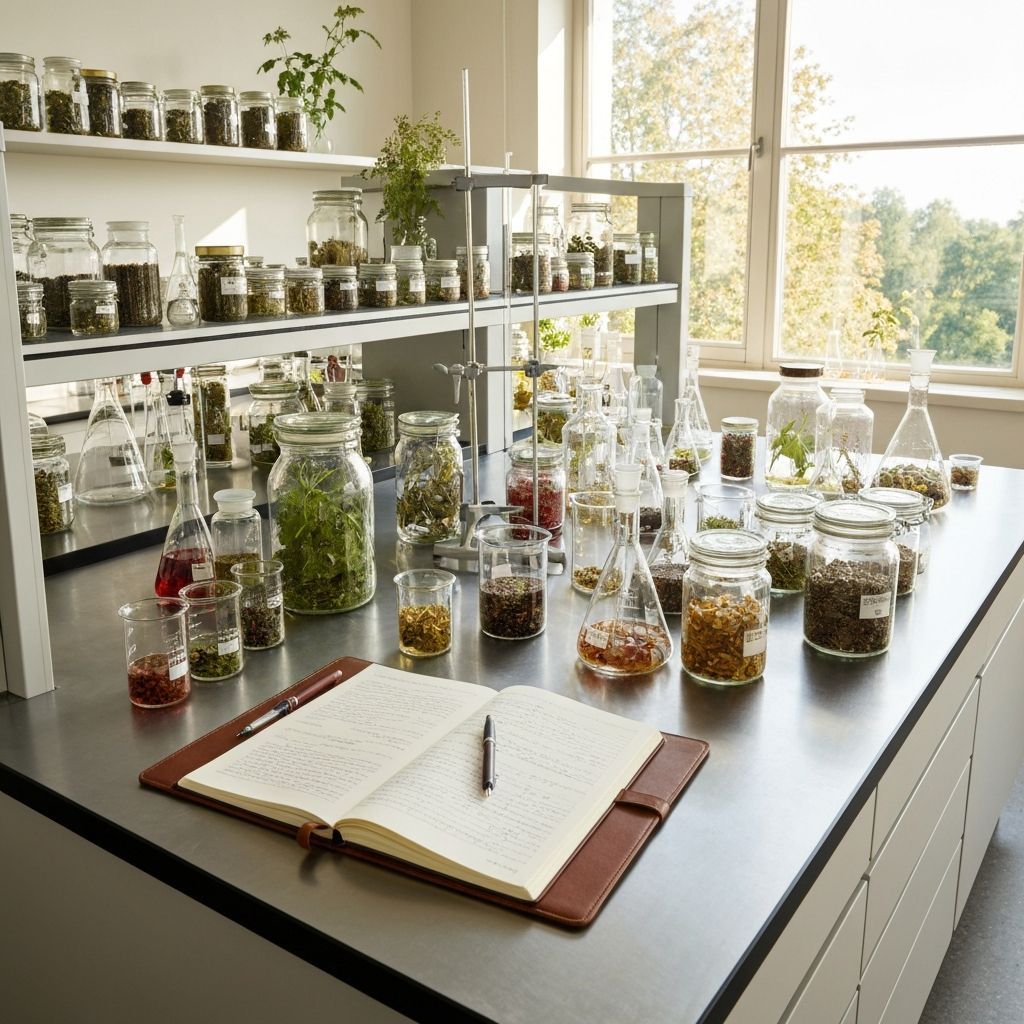
Modern plant science employs rigorous methodology to examine natural compounds. Research institutions test botanical extracts for bioavailability, mechanism of action, and potential interactions with body systems.
Key Study Areas
Researchers focus on how specific plants support energy metabolism, joint health, stress resilience, and physical performance. Evidence from peer-reviewed studies provides frameworks for understanding natural ingredient functions.
Evidence-Based Approach
Scientific education about plants emphasizes that while traditional uses provide historical context, modern verification through double-blind studies and meta-analyses forms the basis of contemporary understanding. This resource presents evidence without overstating conclusions.
See ReferencesExamples of Researched Natural Components
Featured Botanical Ingredients
Ginkgo Biloba: Traditional Asian herb studied for cognitive support and circulation function. European research examines its antioxidant properties and potential for supporting mental clarity during demanding activities.
Ginseng Root: Adaptogenic plant investigated for energy support and stress resilience. Studies suggest potential benefits for athletic performance and recovery.
Nettle Leaf: Austrian folk traditions value this plant for mineral content. Modern analysis confirms high levels of naturally-occurring minerals supporting nutritional needs of active individuals.
Horsetail Extract: Historically used in European medicine, studied for silica content and potential support for bone and joint health through mineral supplementation.
Learn More About Ingredients